Why Wild Horse Facilitated Connection Matters
by
Jaye Riedinger
Gentled, Not Broke: The Case for Wild Horse Facilitated Connection.
Equine facilitated connection methods have profound results. Research shows positive changes in self-efficacy, self-awareness, self-esteem, and social functioning, as well as a decrease in depression and anxiety in equine facilitated participants.
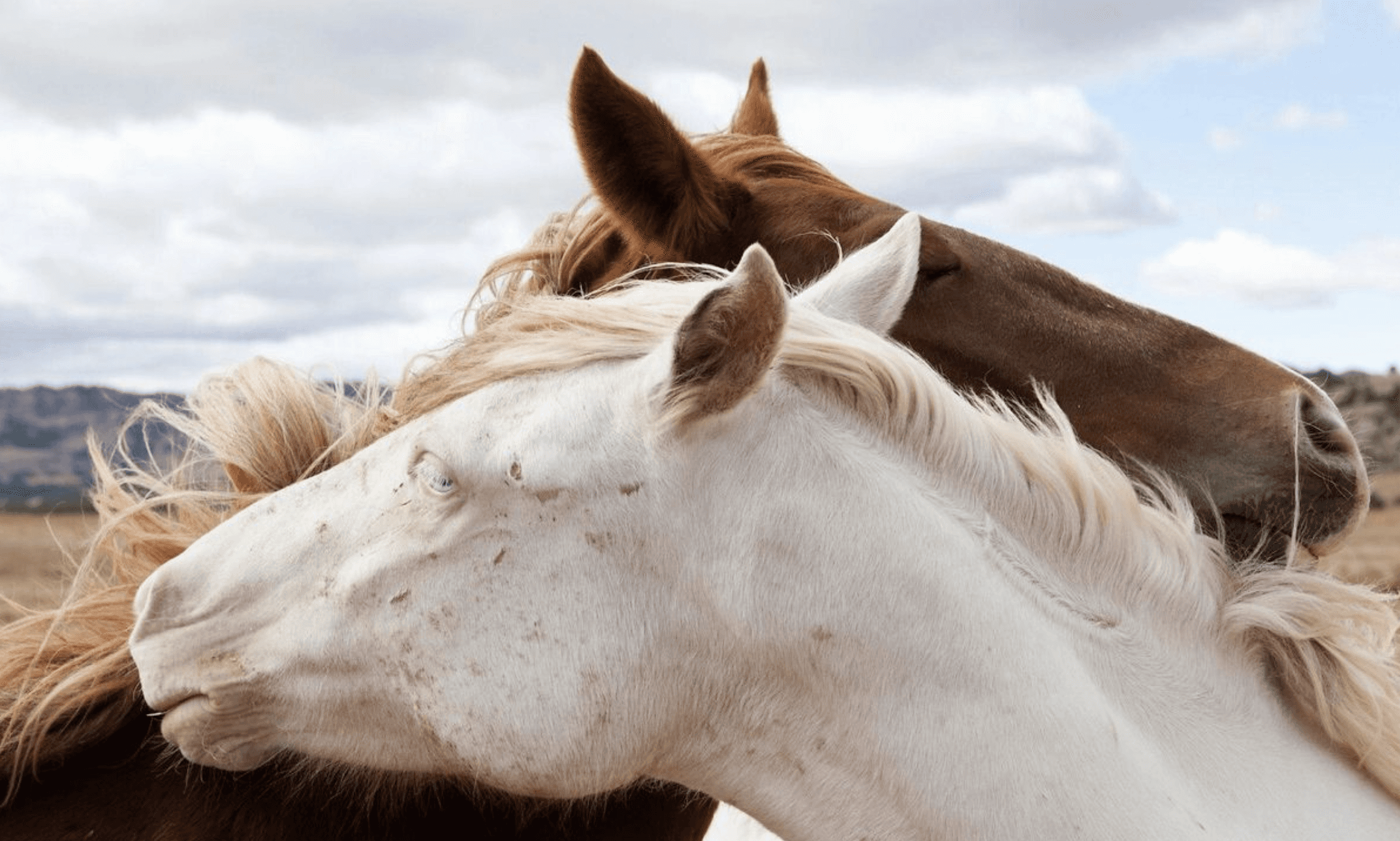
The HeartMath Institute has documented something that anyone who has stood next to a horse already knows in their body: there is a field between you.
A horse's electromagnetic field projected by their heart is five times larger than that of a human's. This is not metaphor. It is measurable physics. Coherence is the state where the nervous, cardiovascular, hormonal and immune systems work in harmony, and this is the natural baseline of a horse living in its natural state. When a human enters the electromagnetic field of a horse, entrainment happens and our heart and physiology begin to sync with theirs. Research also shows that the direction of influence goes both ways: the human is affecting the horse just as the horse affects the human. This means that the human has to show up in genuine coherence for the exchange to happen. You cannot walk in dysregulated and expect the horse to fix you. But they will show you exactly where you need to shift.
Horses are prey animals, which makes them highly attuned to their environment. They are sensitive to the slightest gesture, body posture, tension, or tone of voice that humans may unknowingly communicate. They sense your emotions and respond immediately, offering the human a chance to become more aware of their own emotional states and behaviors, and to process their feelings without judgment.
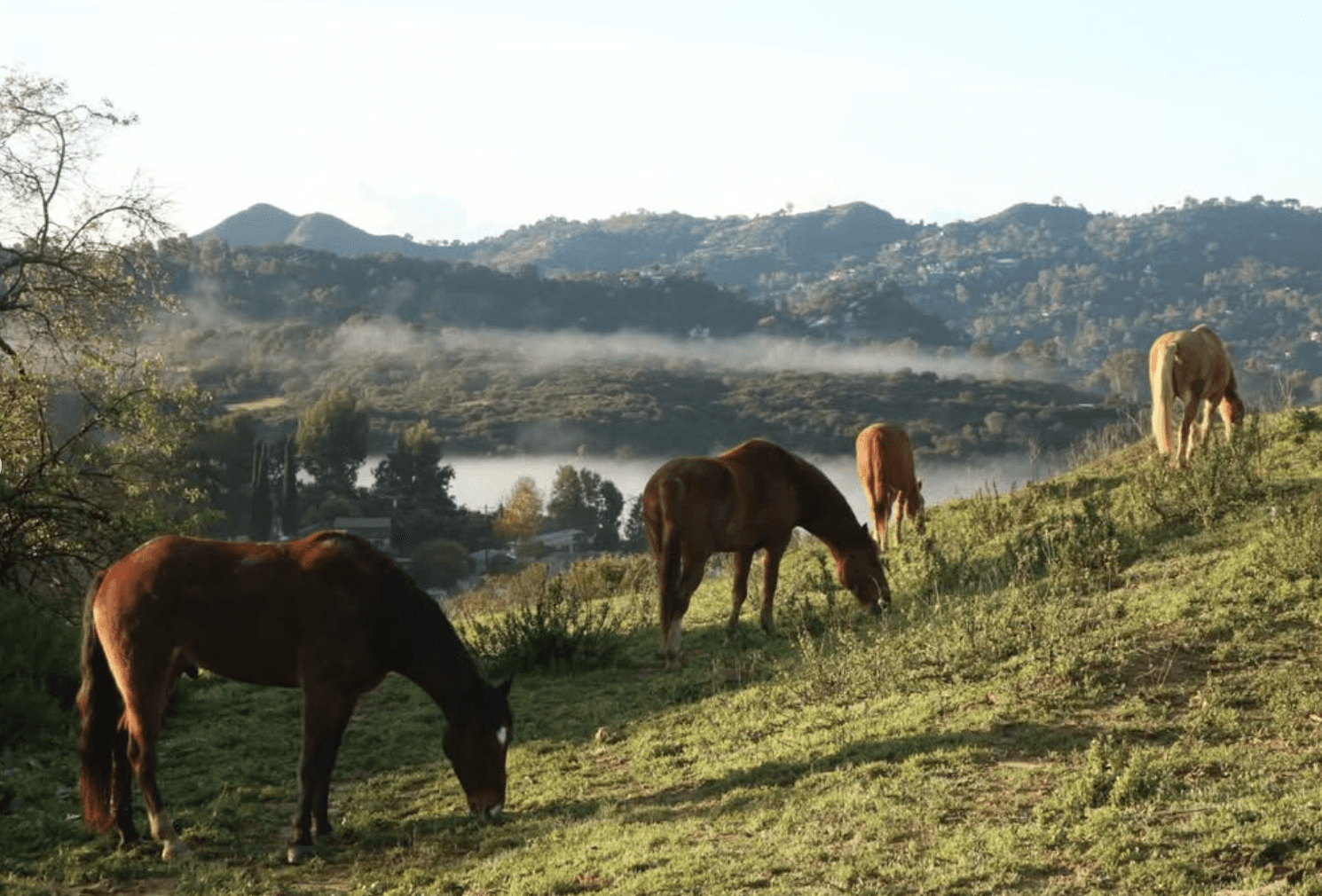
Now here is where the difference between wild and domesticated horses comes in.
Most domesticated horses used in facilitated settings have been trained to comply: to perform, to tolerate, to suppress their responses. They have been broke, not gentled. A horse that has been taught to shut down its natural responses in order to comply may not give a clean, natural response. It may instead respond with a conditioned one. Research has underlined the need to monitor horses' ability to cope with stress during equine assisted sessions in order to maintain their welfare, meaning many horses in traditional settings are themselves under stress, which compromises the authenticity of the interaction.
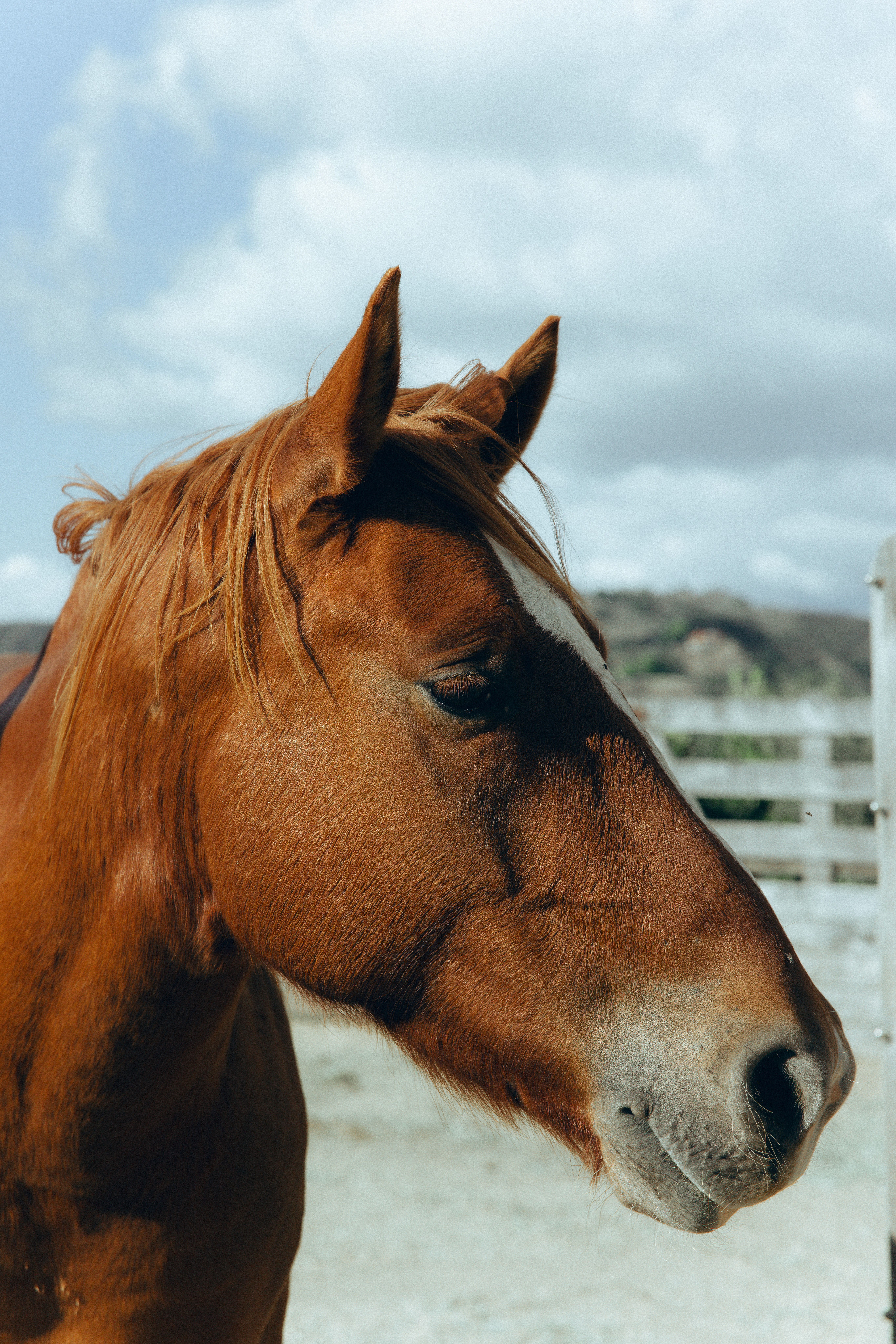
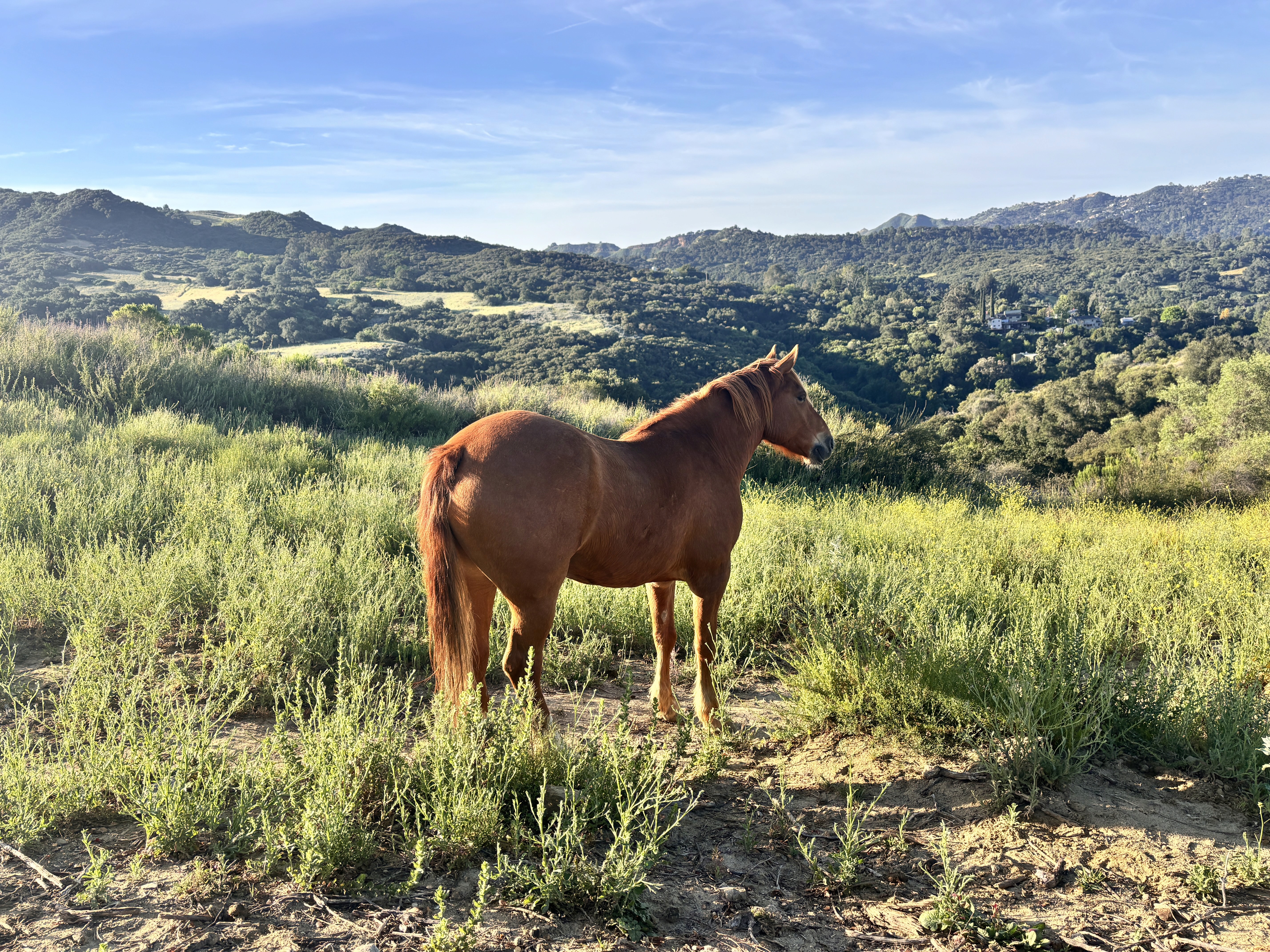
Our wild mustangs have little to no human conditioning outside of the trauma of the BLM roundups. They have never been taught to tolerate, and they have never learned that suppressing a response keeps them safe. When our mustangs show a response, it is our cue as their human partners to listen and ask why. Our horses live in a herd environment, without shoes, without stalls, with acres to roam. They socialize and play. Their nervous systems are fully intact. They are not shut down or dissociated, and they respond to exactly what is happening, in real time, without bias.
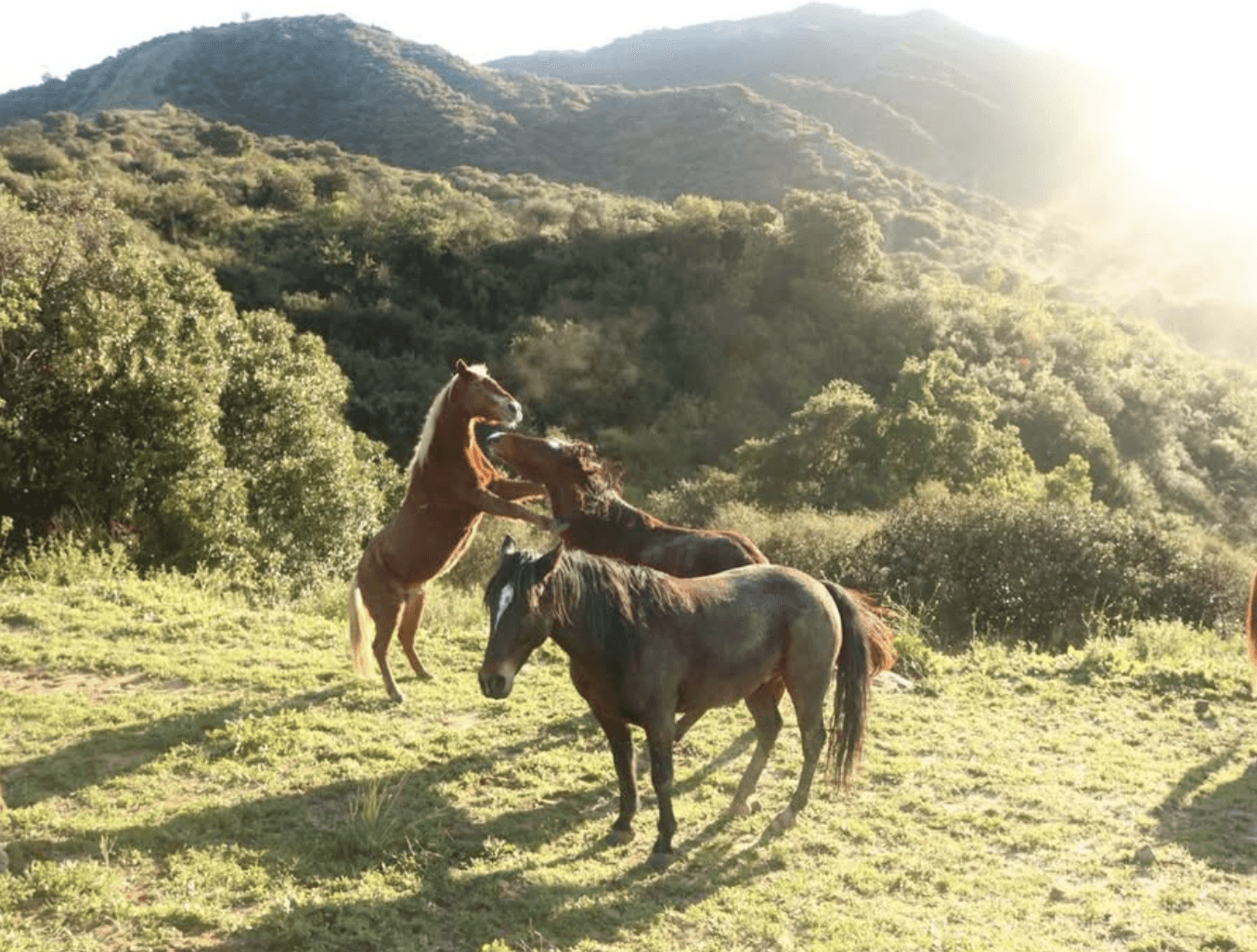
We have gentled and trained our mustangs at liberty, which means no ropes, no sticks, no running them in circles until they become submissive. We train with patience, connection, and positive reinforcement. They have opinions. They have a voice. In Pure Liberty work, that voice is honored and we only proceed with consent. Our wild horses are gentled, not broke. Breaking a horse teaches it that resistance is futile. Gentling a wild horse builds trust so slowly and so honestly that the horse chooses connection.
Working with these wild horses as our guides, their responses are pure. They are extraordinarily sensitive, and their nervous systems recognize authenticity. When you are in the presence of an animal that has not learned to perform, your own performance has nowhere to hide. The horses co-regulate the human nervous system and help deactivate stuck states of stress, fight, flight, and freeze, allowing people to release what they are holding in a safe, nonverbal way.