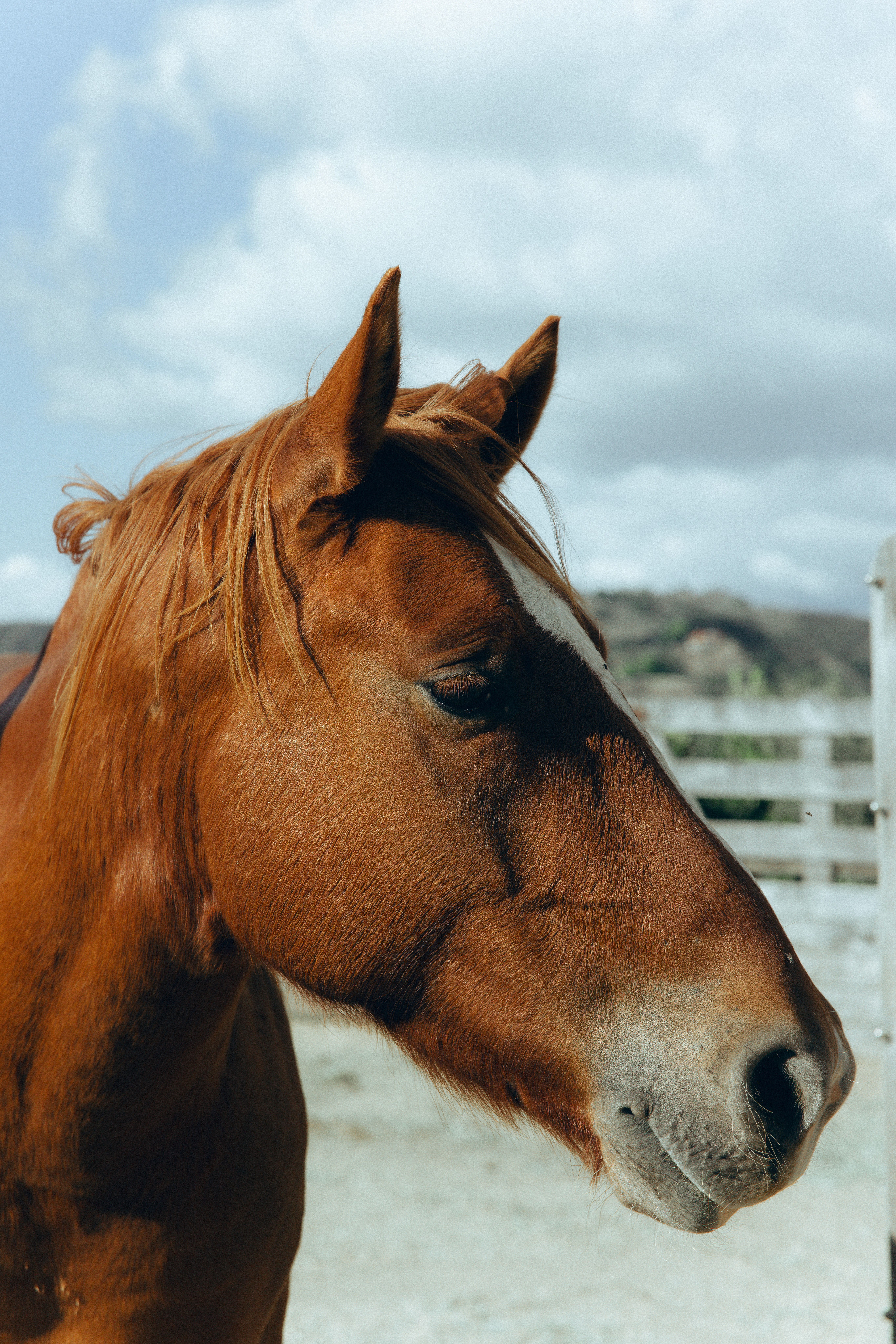
Wild Mustangs: Their Story
by
Jaye Riedinger
Who are the wild mustangs?
There is a Lakota story that says the horse came to the people as a gift from the spirit world. That before the horse, humans walked. After the horse, humans flew. The bond between horse and human is described not as ownership but as partnership, two beings who recognized something in each other and chose to move through the world together.
Where They Came From
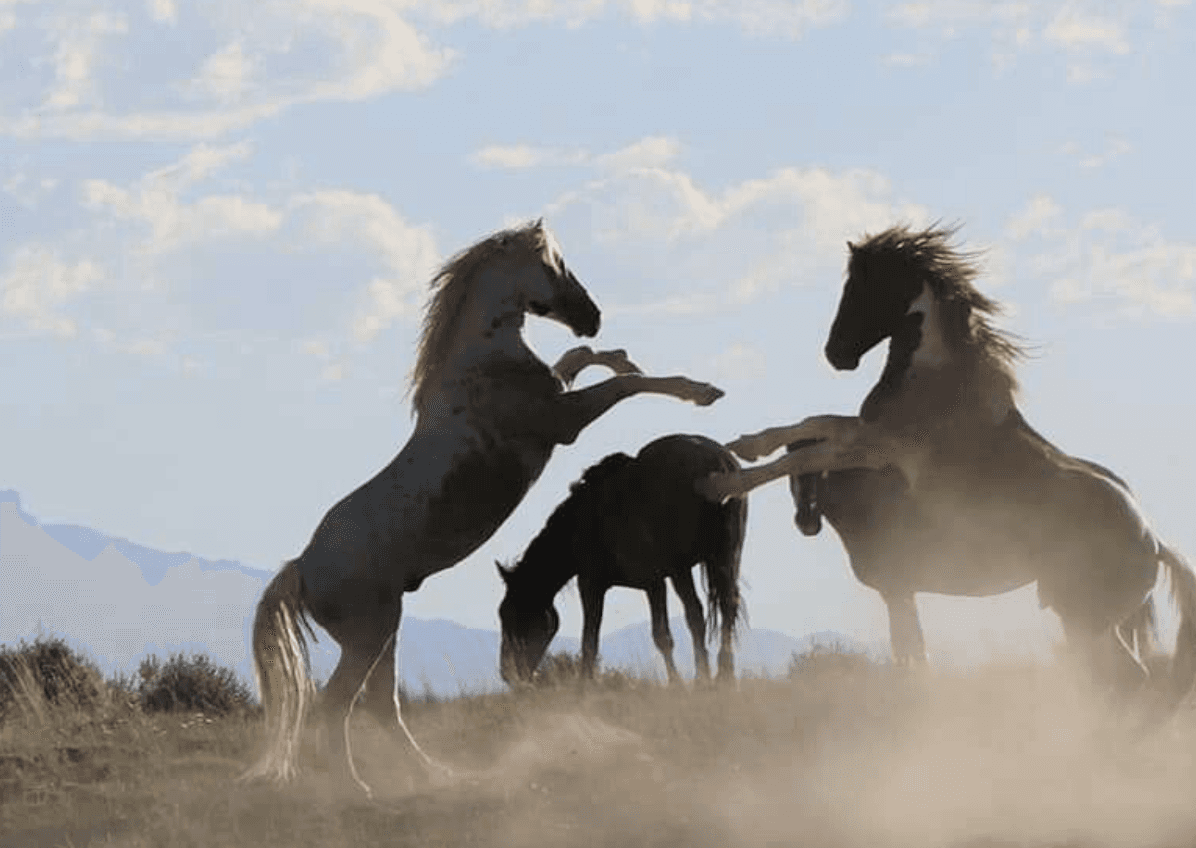
Wild mustangs are the descendants of horses brought to North America by Spanish explorers in the 1500s, many of whom escaped or were released and returned to the land their ancient ancestors had roamed millions of years before. In a very real sense, the mustang is not a newcomer to the American West. It is a native returning home. For centuries they ran free across the Great Plains, the Nevada Basin, the high desert of California and Oregon. The Comanche, the Lakota, the Nez Perce and dozens of other nations built entire ways of life in relationship with them. Not by dominating the horse. By earning its trust. By learning its language. By moving with it rather than against it.
The Roundups
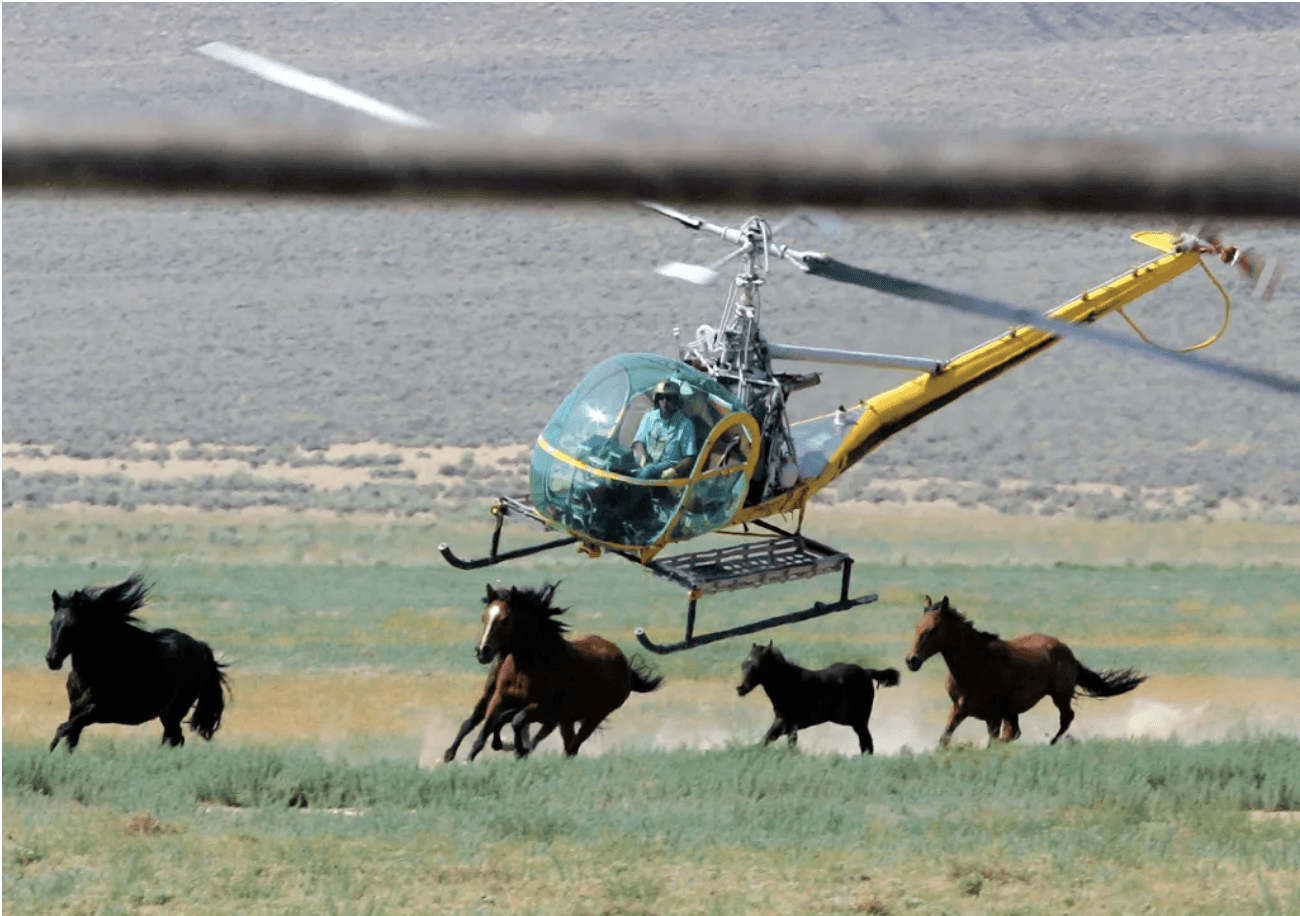
Today there are approximately 80,000 wild horses and burros living on public lands across ten western states. Nevada holds the largest population. California, Wyoming, Utah, and Oregon hold significant herds as well. The Twin Peaks Herd Management Area in Lassen County, California, spanning nearly 800,000 acres across the California-Nevada border, is one of the most storied and most contested. This is actually the HMA that my first mustang, Pippin, was taken from. Every year the Bureau of Land Management, the federal agency responsible for managing public lands, conducts roundups. Helicopters are used to chase herds across miles of open terrain, driving wild horses toward trap sites at speeds that cause exhaustion, injury, and sometimes death. Foals struggle to keep up. Bands that have lived together for years are separated in minutes. Stallions are removed. Mares are given fertility control vaccines that can render them infertile for years. Entire herd structures, built over generations, are dismantled in an afternoon. The stated reason is overpopulation and rangeland health. The reality is more complicated. Cattle and sheep grazing on the same public lands outnumber wild horses by a ratio of roughly five to one in terms of forage allocation. The horses are managed. The domesticated livestock are accommodated.
The Pens
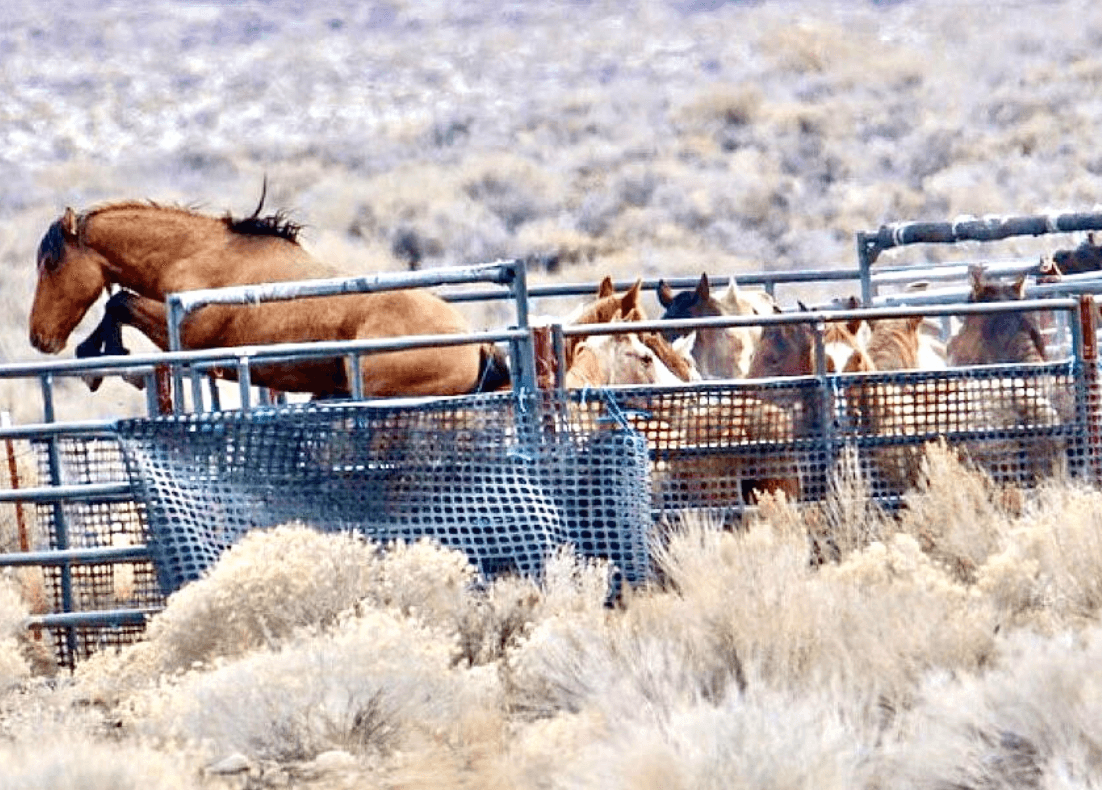
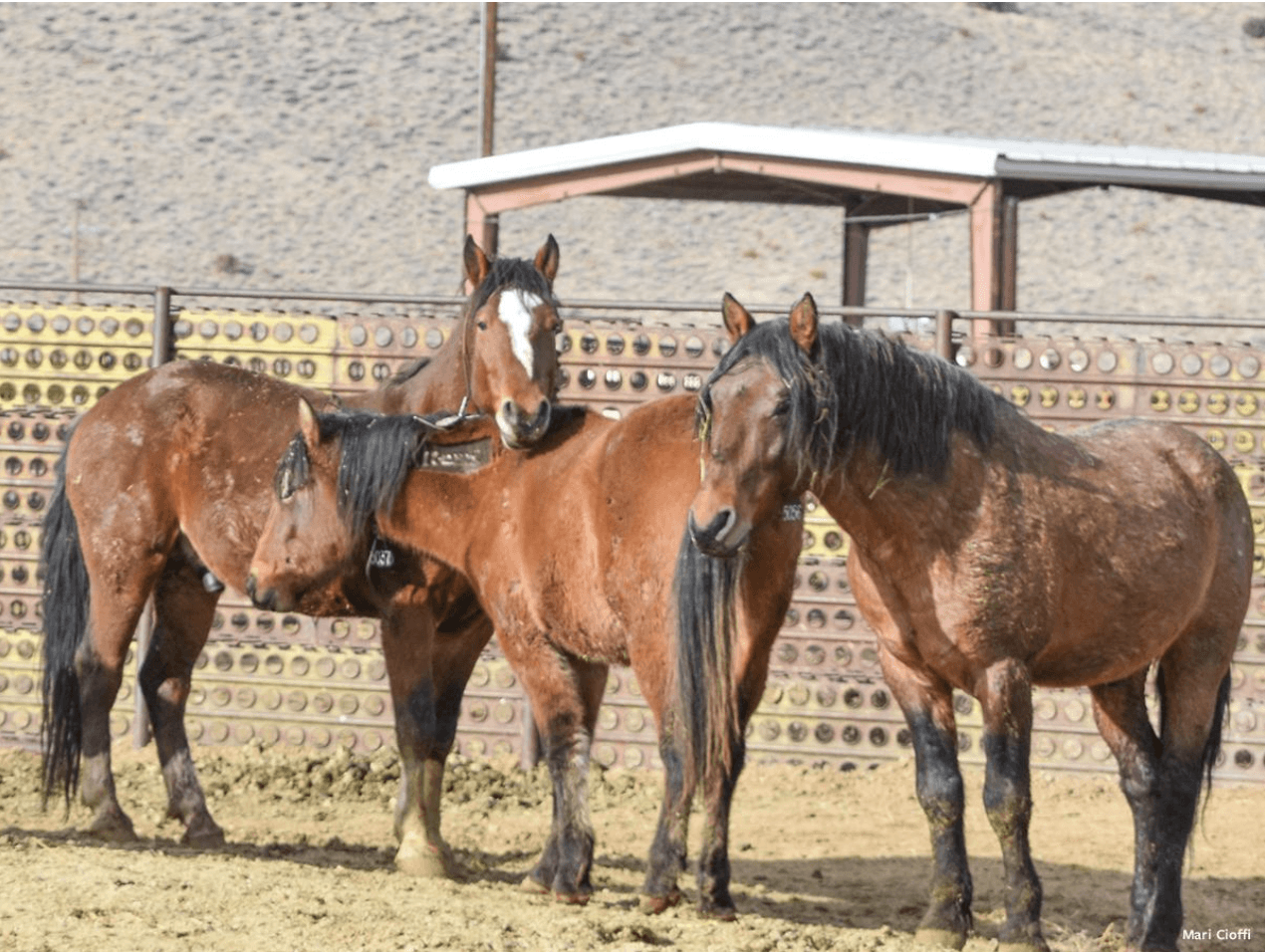
Horses that survive the roundup are transported to government holding facilities. Some are offered for adoption through the BLM's adoption program. Many are not. There are currently over 60,000 wild horses and burros in government holding, a number that now rivals the population still living free. The wild horses are separated from their families and made to stand in pens. Animals that were born running.
Domestication
There is something in the mustang's story that mirrors our own. Born wild. Born instinctual. Born free. And then, gradually, through systems and structures and the slow accumulation of expectation, domesticated. Taught to comply. Taught to perform. Taught that survival depends on fitting into the shape the world has made for us. The Lakota did not see the horse as something to be conquered. They saw it as a relative. A being with its own knowledge, its own dignity, its own way of moving through the world.
What it takes to reach the spirit in a wild horse is exactly what it takes to reach the wildness still living inside a human. Patience. Honesty. Safety. Connection. Play. Unconditional love. Freedom to choose.